Why Chain Reaction Games Feel So Satisfying
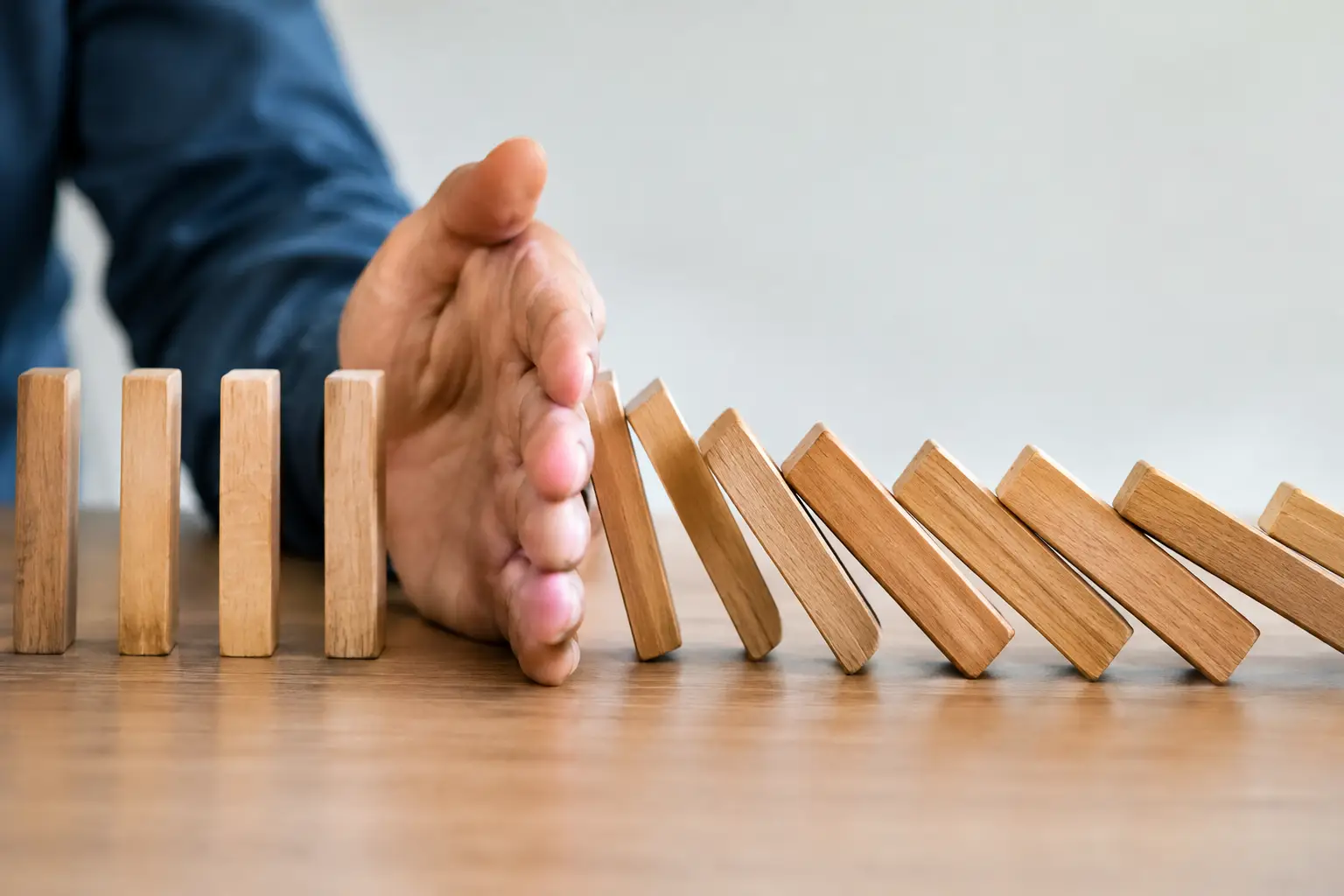
A single tap lands. A shape nudges another, a colour spreads across the screen, and a quiet little system suddenly has somewhere to go. Chain reaction games are built around that pleasing shift from one deliberate action to a sequence you can watch unfold.
They can be loud and spectacular, but they do not need to be. On a phone or iPad, the best examples often feel closer to a small desk toy: clear rules, tactile movement and a result that is never quite identical twice. You begin with a simple gesture, then let the consequences come into focus.
What makes chain reaction games work?
At their heart, chain reaction games ask a simple question: what happens if this touches that? The answer may involve bouncing balls, merging tiles, falling pieces, spreading colour, firing switches or setting off a carefully timed run of events. The pleasure comes from seeing cause and effect made visible.
This is different from a game that asks only for speed. Fast reactions can matter, but the central reward is often anticipation. You place something in a bright gap, choose the moment to tap, or hold back for one more second. Then the system takes over. A successful sequence feels earned because your choice started it, even when the movement afterwards has its own lively unpredictability.
That balance is the genre's real trick. Too much certainty and each round becomes a routine. Too much randomness and a good result feels accidental. A satisfying design leaves room for surprise while making the player's decisions legible. You should be able to think, after a pleasing cascade, “Ah, that was why it worked.”
A small action with a long shadow
Mobile screens suit this structure particularly well. A touch is direct. There is no distant cursor between your hand and the object you are moving. Tap a circle and it pops. Drag a block into place and its sharp corners meet the edge of the board. Release a piece and gravity, momentum or matching rules take it from there.
That directness gives even a short session a sense of shape. There is a beginning, a decision, an unfolding middle and a neat finish. You can play for two minutes while waiting for the kettle, then put the game away without leaving a half-finished battle or a list of chores behind.
The best chains also give the player a moment to look. A cascade needs time to read: one contact, then another, then a late bounce that changes everything. If animations are too hurried, the result becomes visual noise. If they are too slow, the spark goes out. Good pacing lets each connection register without making the player wait.
The quiet pleasure of cause and effect
There is something calming about a game world that follows its own rules. You may not know the perfect move at first, but you can learn by paying attention. A piece always rolls downhill. Similar colours always join. A line always passes energy onwards. The board becomes familiar, then expressive.
That is why chain reactions can feel thoughtful without demanding a long tutorial. Their rules are often easier to show than explain. One early move can demonstrate how objects collide or combine, and the player can begin experimenting immediately. The understanding arrives through play rather than a wall of instructions.
For players who enjoy puzzles, this creates a gentle form of planning. You scan the board for a likely route, but leave room for an unexpected rebound. For players looking for a calmer break, it creates a small rhythm of attention and release. Set things in motion. Watch. Try again.
Neither approach is more correct. Some chain reaction games reward careful setup, where one badly placed object can spoil a beautiful run. Others are more forgiving, built around frequent little bursts of colour and movement. The right choice depends on the mood. A tightly constrained puzzle can be wonderfully absorbing on a quiet evening; a looser, more playful chain can suit a crowded train journey.
Why almost works are valuable
A failed chain is not always a bad outcome. In fact, near-misses are part of what keeps the genre interesting. When a sequence stops one object short, it offers a clear invitation: adjust the angle, move the starting point, wait for a different opening.
This only works when failure is respectful. Restarting should be quick, and the reason a chain broke should be visible. If a game buries the player under pop-ups, lengthy effects or a punishment for experimenting, it interrupts the very curiosity that makes the mechanic enjoyable.
A good retry feels like returning a piece to the table for another go. There is no need for grand drama. Just a fresh board, an altered idea and the chance to see whether the next little sequence finds its way through.
Designing for fingers, not just for physics
A convincing chain reaction needs more than clever rules. On a touchscreen, the player must understand what can be touched, what will move and where it is safe to place a piece. Visual clarity is not decoration here. It is part of the game.
Objects need distinct silhouettes. Interactive areas need enough space for a thumb. Colours need to separate important states without making the screen feel like a flashing arcade cabinet. Sound can help too: a soft click for contact, a brighter note as a chain grows, a satisfying final tone when the board clears. Used sparingly, these details make a sequence feel physical.
The same applies to haptics. A tiny vibration at the moment a chain begins can make an action feel anchored in the hand. But constant buzzing soon becomes exhausting, especially in games meant for short, low-pressure play. An option to turn sound and haptics off is not an afterthought. It lets the game fit the room the player is in.
There is also a case for leaving some empty space. A crowded board can be an interesting challenge, but it makes the first move harder to read. A bright gap gives the eye somewhere to rest and gives the player a meaningful place to act. On a smaller phone screen, that breathing room is often more useful than another feature.
Progress without pressure
Chain reaction games naturally lend themselves to scores, streaks and increasingly complicated boards. These can add purpose, particularly when they reveal a new combination or encourage a different way of thinking. The trouble begins when progress turns every session into a race against a timer, a currency count or a daily obligation.
For many people, the appeal of a compact mobile game is that it asks for attention, not allegiance. A good chain reaction can provide rewarding progress through mastery instead: recognising a useful pattern faster, recovering from an awkward board, or creating a sequence that feels wonderfully over-engineered.
That does not mean every game should be easy. Difficulty can be sharp and satisfying when it comes from the system itself. Limited moves, shifting layouts and new object behaviours can all create genuine tension. The key is that the player understands the challenge and has space to respond, rather than being hurried into mistakes.
Tom Makes Games approaches small interactive experiences as things to return to in a spare moment, not machines for filling every spare moment. That perspective suits chain reactions particularly well. Their pleasure is concentrated. One thoughtful tap can be enough.
A good chain starts with curiosity
The enduring appeal of the genre is not simply that things explode, bounce or disappear. It is the feeling of setting a simple idea loose and seeing it become more than the first touch suggested. A board that looked still suddenly has rhythm, direction and possibility.
Next time a game asks you to place one object, pause before you do. Look for the quiet route through the shapes. Notice the awkward corner, the waiting colour, the space where a sequence might begin. Then make the smallest move you can, and enjoy what follows.